A Homeowner’s Guide to Understanding Roof Warranty Coverage
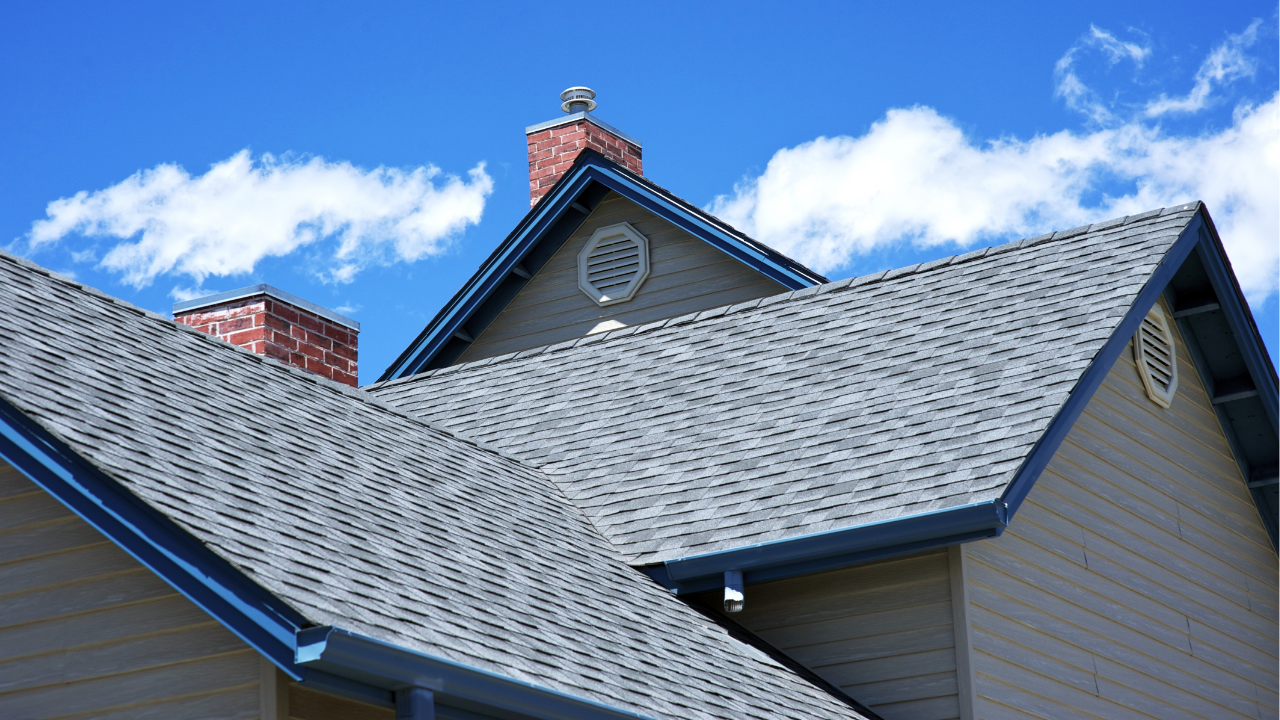
Buying a new roof isn’t exactly a “small-ticket” decision. Whether it’s for your family home or your business property, that roof is doing a lot of heavy lifting — and a roof warranty is the safety net that keeps everything running smoothly behind the scenes. At Driesler Construction, we believe clarity is power, especially when it comes to protecting a long-term investment like your roofing system.
Before you choose a contractor or sign on the dotted line, it pays to understand what your warranty actually covers. Spoiler alert: not all warranties are created equal.
Let’s break down the essentials.
What a Roof Warranty Really Means
Think of your roofing warranty as your “in-case-of-emergency” strategy — the policy that keeps surprise headaches off your plate. Companies like ours take warranties seriously because they’re the backbone of any responsible residential roofing service or commercial roofing project.
There are two major types of coverage you’ll want to understand:
Manufacturer (Material) Warranty
Contractor (Workmanship) Warranty
A strong roofing partner will help you make sense of both — no jargon grenades, no fine-print surprises.
1. Manufacturer (Material) Warranty
This one comes straight from the makers of your shingles, underlayment, metal panels, and other roofing components. Its job? Cover defects in the materials themselves.
If shingles crack, warp, lose granules prematurely, or show manufacturing defects under normal conditions, the manufacturer typically steps in with replacement materials.
These warranties often stretch 20–50 years because premium roofing products are designed for long-term performance. You’ll see this emphasized in resources like:
Important caveat:
Material warranties usually don’t cover installation mistakes, storm damage, poor maintenance, or unauthorized modifications. That’s where the contractor warranty comes in.
2. Contractor (Workmanship) Warranty
Now we’re talking about the quality of installation — a major factor in roof performance. At Driesler Construction, our workmanship warranty covers issues resulting from improper installation, such as:
Poor flashing
Incorrect sealing
Misaligned shingles
General installation defects
This warranty ensures that if a leak pops up due to installation errors, we handle the repairs — labor included.
Coverage duration varies by contractor, but many offer 1–10 years. High-quality companies (yes, we’re looking at us) often go further, especially for complete roofing system installs.
To dive deeper into why installation quality matters, check out:
3. Extended or “System” Warranties
If you’re the “cover-all-bases” type, extended system warranties might be your best friend. They typically cover the roofing system as a whole — materials and installation — sometimes even including removal, disposal, and replacement labor.
The catch? These warranties usually require proper maintenance, certified installation, and timely registration. Worth it? Often, yes.
Learn more:
What Roof Warranties Don’t Cover
Here’s the fine print that catches homeowners off guard:
Normal Wear & Tear
Roofs naturally age — discoloration, fading, and gradual deterioration aren’t covered.
Storm Damage
Extreme weather, falling branches, hail, or wind damage fall under homeowners insurance, not roof warranties.
Helpful resources:
Poor Maintenance
A neglected roof can void warranties fast. That includes clogged gutters, moss buildup, and poor attic ventilation.
See also:
Unauthorized Repairs
DIY fixes or hiring an unapproved contractor can void your warranty entirely.
How to Get the Most Out of Your Roof Warranty
Get Everything in Writing
Don’t rely on verbal promises. Request a written warranty outlining coverage, terms, and maintenance requirements.
Pair Material + Workmanship Warranties
This gives you full-circle protection — the roofing dream team.
Stick With the Original Contractor
Especially during the warranty period, avoid using third parties for repairs.
Maintain Your Roof
Cleaning gutters, removing debris, and scheduling roof checks all help preserve warranty validity.
You may find these useful:
Have Insurance for What Warranties Don’t Cover
Storm damage, disasters, and age-related wear require separate insurance protections.
What This Means for Driesler Construction Customers
When you work with Driesler Construction, you get more than a roof — you get a long-term protection strategy. Our team delivers:
Premium materials backed by strong manufacturer warranties
Expert craftsmanship that supports our workmanship warranty
Seamless gutter installation & protection to preserve roof health
Ongoing guidance to help you maintain warranty compliance
You’re not just building a roof — you’re investing in peace of mind.
Explore more insights on our Blog or reach out through our Contact page.
Final Thoughts
A roof warranty isn’t just paperwork — it’s a long-term commitment to protecting your property. Choose a contractor who treats warranties as seriously as they treat installation quality. When you partner with Driesler Construction, you’ll get transparency, reliability, and a roof system built for the long haul.
If you're ready to upgrade or replace your roofing system, explore our:
And remember: a great warranty is just as important as the roof itself.